Ready to Cook Meals: Redefining Modern Dining
Ready to Cook Meals: Redefining Modern Dining
In today’s fast-paced world, meals are no longer just about taste—they are about convenience, safety, and consistency. Urban lifestyles, demanding work schedules, and evolving consumer expectations have made ready to cook (RTC) meals more than a convenience; they are becoming an essential part of daily life. From busy professionals to growing families, and from cloud kitchens to restaurants, RTC food offers a practical solution that bridges the gap between home-cooked meals and ready-to-eat options.
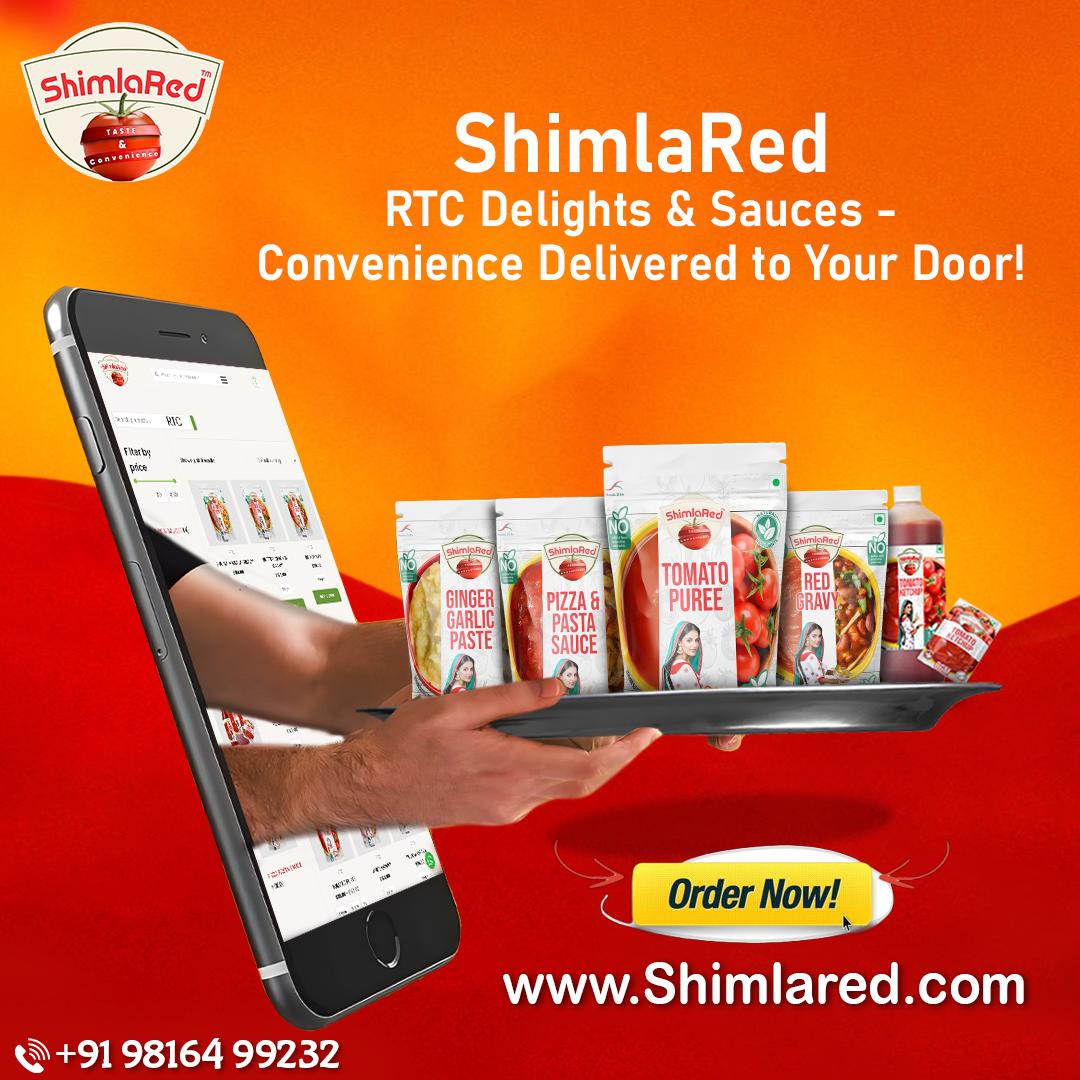
Ready to cook meals provide the satisfaction of freshly prepared food while saving valuable time. Consumers no longer have to compromise on flavor, texture, or quality. With the growing awareness of hygiene and shelf stability, RTC meals are increasingly viewed as smart, modern alternatives to traditional cooking.
What Makes RTC Food So Popular
Ready to cook food refers to products that are partially prepared and require minimal cooking before consumption. Unlike fully prepared meals, RTC products allow the final touch to be applied at home or in the kitchen, maintaining freshness and giving users control over the dish. Popular RTC options include base gravies, biryanis, sauces, and complete meal kits, all crafted for convenience without sacrificing taste.
The beauty of RTC meals lies in their versatility. A single base or sauce can be transformed into multiple dishes, which explains why they have become staples for both home cooks and professional kitchens.
Small points to note:
-
Saves significant preparation time without losing control over cooking.
-
Maintains authentic flavors and textures.
-
Suitable for households, restaurants, and catering services.
RTC Meals and the Modern Lifestyle
With work-life boundaries increasingly blurred, consumers are seeking time-saving, ready to cook meals that adapt to their schedules. RTC meals have become indispensable for those who want home-cooked quality with minimal effort. For families, they offer a way to plan meals efficiently while avoiding frequent takeout. For professionals, they are a quick, healthy alternative that fits into a busy routine.
Even within the home, RTC food encourages balanced nutrition and portion control, giving users the flexibility to enjoy wholesome meals without the stress of complex preparation.
Highlights of RTC meals for daily life:
-
Quick weekday meal preparation.
-
Reduced kitchen workload and cleanup.
-
Consistent quality and long shelf life.
The Role of Base Gravy and Sauces
One of the most crucial elements in RTC cooking is the ready to cook base gravy. Acting as the foundation for countless recipes, it ensures that taste and texture remain consistent across every dish. A trusted ready to cook base gravy manufacturer focuses on safety, quality, and flavor standardization, providing a reliable product that kitchens can depend on.
For foodservice brands, these gravies streamline kitchen operations and allow menus to scale efficiently. The result is uniformity across locations and dishes that always meet customer expectations.
Why base gravies matter:
Biryani, Sauces, and Other RTC Specialties
Among RTC products, biryani bases, sauces, and gravies are seeing remarkable growth. They allow chefs and home cooks to recreate complex dishes with minimal effort while retaining the authentic taste that consumers love. These categories are particularly suited for export markets, thanks to their long shelf life and stable flavors.
RTC sauces and gravies also provide a fresh-taste experience even after extended storage, making them an ideal choice for food brands looking to maintain high standards across multiple kitchens or regions.
Premium, Healthy, and Preservative-Free RTC Options
Today’s consumers demand more than convenience—they demand premium, healthy, and preservative-free ready to cook meals. Advances in food processing have made it possible to craft RTC products that are clean-labeled, nutritionally balanced, and free from artificial additives.
High-quality RTC meals no longer compromise on taste or health, allowing consumers to enjoy restaurant-level flavors in the comfort of their own home while supporting a more sustainable lifestyle.
Points to consider:
-
Balanced nutrition with controlled oil and salt content.
-
Hygienic, high-quality preparation for every batch.
-
Shelf-stable and safe for export markets.
Hygiene, Safety, and Technology
Safety is a key consideration in RTC food. Leading RTC food processing companies prioritize microbial safety, hygienic production, and strict quality control at every stage. Retort-ready products have revolutionized the segment by combining extended shelf life with flavor retention, making them suitable for both domestic and international markets.
Modern processing technologies eliminate the need for artificial preservatives while ensuring consistent quality, making RTC meals reliable for households, restaurants, and exporters alike.
Meal Kits vs. Ready to Cook
While meal kits offer convenience, ready to cook meals often provide greater flexibility and efficiency. Unlike meal kits, which require extensive preparation and refrigeration, RTC meals offer longer shelf life, easier bulk handling, and faster cooking without sacrificing freshness or flavor. For brands, this translates to a product that scales seamlessly, whether for retail, foodservice, or exports.
The Future of RTC Food
The ready to cook food market in India and globally is expanding rapidly. Urbanization, growing dual-income households, and the rise of cloud kitchens are driving demand for reliable, scalable, and high-quality RTC solutions.
The future of RTC food lies in innovation—functional, nutritious, and regionally inspired meals, crafted using advanced processing technologies. These products not only meet modern consumer expectations but also offer opportunities for B2B and private-label partnerships, making RTC food a cornerstone of the evolving food industry.
Conclusion
Ready to cook meals are more than a convenience—they are a smart, scalable solution for modern dining. They combine efficiency with quality, allowing consumers and businesses to enjoy authentic flavors, consistent results, and hygienically prepared meals.
For brands and exporters, investing in high-quality RTC solutions is a long-term growth strategy, positioning them at the forefront of a rapidly evolving food industry. With the combination of safety, shelf stability, and culinary versatility, the RTC segment is set to remain a cornerstone of modern food consumption for years to come.


Comments
Post a Comment