Ready to Eat Indian Meals: A Complete Guide to Heat-and-Eat Curries, Dal & Rice for Modern Living
Ready to Eat Indian Meals: A Complete Guide to Heat-and-Eat Curries, Dal & Rice for Modern Living
Modern lifestyles demand food solutions that are quick, reliable, and full of authentic flavor. This growing demand has made ready-to-eat Indian meals a preferred choice for households, professionals, and foodservice buyers alike. From traditional curries to comforting dal and rice, ready-to-eat food is redefining everyday dining.
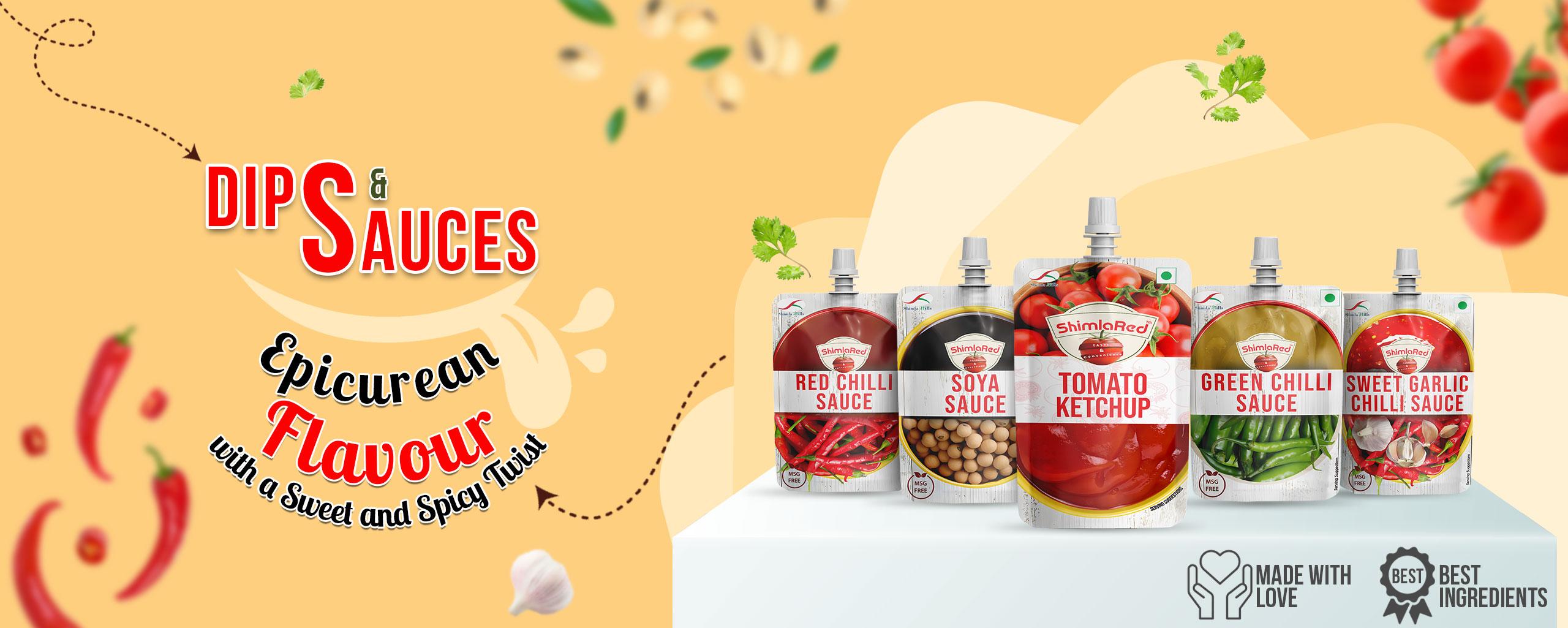
The rise of heat-and-eat meals and RTE food reflects a shift toward convenience without compromising taste or quality. Today’s ready meals, instant meals, and pre-made meals use advanced retort meal technology to preserve freshness and nutrition. Whether it’s a busy weekday or a travel requirement, ready-to-eat Indian food offers a dependable solution.
From rich gravies like paneer butter masala, Ready-to-eat and shahi paneer, ready to eat, to comfort classics such as dal makhani, ready to eat, dal tadka, and chana masala, the variety in ready-to-eat curries continues to expand. These ready-to-serve Indian meals are designed for easy storage and quick preparation. Paired with ready-to-eat rice, they form complete, balanced plates in minutes. With rising demand for healthy, ready-to-eat meals, brands are focusing on cleaner ingredients and authentic recipes. This guide explores everything you need to know about choosing the best meals ready to eat for modern living.
What Are Ready-to-Eat Indian Meals and Why Do They Matter?
The Indian food industry has witnessed a major shift in the way meals are prepared and consumed. Ready-to-eat Indian meals have moved from being niche convenience products to becoming an essential part of everyday food consumption. With growing urban populations, time-constrained lifestyles, and rising demand for consistency, understanding ready-to-eat food is now critical for both consumers and food businesses.
Definition of Ready-to-Eat Indian Meals
Ready-to-eat Indian meals are fully cooked food products that require minimal effort before consumption, usually simple heating. These meals are produced using advanced retort technology, which allows curries, dals, and rice to be safely preserved without refrigeration or artificial preservatives. Common formats include ready-to-eat curries, ready-to-eat rice, and complete heat-and-eat meals.
What differentiates RTE food from regular packaged food is its controlled production lifecycle. From ingredient sourcing and cooking to sealing and sterilization, each stage is designed to maintain safety, taste, and shelf life. These meals support modern food consumption by:
-
Delivering authentic Indian flavors with consistent quality
-
Reducing cooking time and dependency on kitchen infrastructure
-
Ensuring food safety through retort packaging
-
Offering long shelf life without compromising taste
The quality of retort Indian meals depends on ingredient integrity, standardized recipes, and strict food safety compliance. Manufacturers also focus on hygiene, traceability, and regulatory standards to meet consumer trust.
Impact of Changing Lifestyles on Food Consumption
Modern lifestyles have significantly altered eating habits across India. Long work hours, frequent travel, and smaller households have reduced the time available for daily cooking. As a result, consumers increasingly rely on instant meals, pre-made meals, and ready meals that fit into their schedules.
This demand has driven the popularity of dishes such as paneer butter masala ready to eat, mutter paneer ready to eat, shahi paneer ready to eat, dal makhani ready to eat, ready to eat dal tadka, chana masala, and kadhi pakoda. When paired with ready-to-eat rice, these options provide complete, satisfying meals in minutes.
The shift is also visible in purchasing behavior, with consumers choosing to buy curry online, searching for ready-to-eat meals near me, and opting for packaged ready-to-eat Indian food for home, office, and travel use.
Why Ready-to-Eat Food Is Becoming Essential
The growing importance of ready-to-eat meals lies in their reliability, safety, and scalability. Properly packed heat-and-eat meals reduce food waste, enable easy storage, and ensure consistent portion control. This makes them ideal not only for households but also for institutional catering, retail, and HoReCa segments.
Health awareness has further influenced the category, leading to demand for healthy ready-to-eat meals and healthy ready-to-eat food prepared with balanced spices and improved nutritional profiles. As innovation continues, consumers increasingly look for the best meals ready to eat that combine taste, convenience, and quality.
How Ready-to-Eat Indian Meals Are Made
The journey of ready-to-eat Indian meals begins long before they reach store shelves or online platforms. Understanding how RTE food is produced explains why these meals are safe, consistent, and reliable for modern consumption. From ingredient selection to advanced packaging, every step plays a role in delivering quality heat-and-eat meals.
Traditional Cooking vs. Retort Meal Processing
Food preparation methods can broadly be divided into traditional home-style cooking and industrial retort meal processing. Traditional cooking relies on immediate consumption, while retort Indian meals are designed for long shelf life without refrigeration.
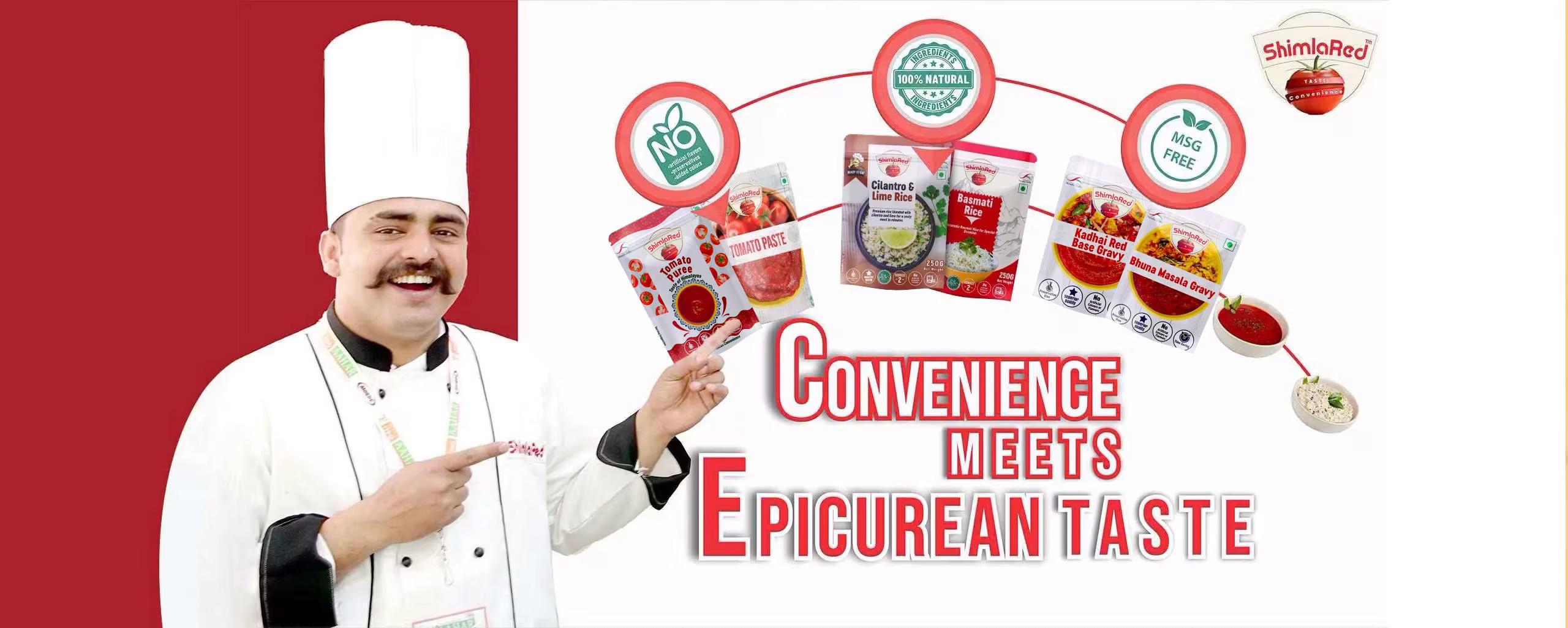
In ready-to-eat curries and dals, ingredients such as paneer, lentils, spices, and gravies are cooked using standardized recipes under controlled conditions. Unlike frozen or semi-cooked food, ready meals are fully cooked before packaging. This ensures that dishes like dal makhani ready to eat, paneer butter masala ready to eat, and shahi paneer ready to eat retain their authentic taste after reheating.
Retort processing uses high-temperature sterilization to eliminate harmful microorganisms. Once sealed, the food remains safe and shelf-stable while maintaining texture, aroma, and flavor. This makes instant meals and pre-made meals dependable across different storage and transport conditions.
Role of Packaging and Shelf-Stable Technology
Packaging is the backbone of ready-to-eat food production. Multi-layer retort pouches or containers protect food from air, moisture, and contamination. This technology allows ready-to-eat curry and ready-to-eat rice to stay fresh for months without preservatives.
The packaging process follows a strict lifecycle approach:
-
Cooking food to a precise temperature and consistency
-
Filling and sealing under hygienic conditions
-
Retort sterilization to ensure safety
-
Quality checks for leakage, taste, and shelf life
Efficiency, Safety, and Scalability in RTE Production
Modern RTE food manufacturing focuses on efficiency and consistency. Controlled batch production ensures that every serving of mutter paneer ready to eat, chana masala, kadhi pakoda, or ready-to-eat dal tadka tastes the same across locations and time.
Food safety standards such as HACCP and FSSAI compliance guide the entire process. This reduces risks associated with contamination and ensures consumer trust. Additionally, scalable production allows manufacturers to meet growing demand for ready-to-eat Indian meals across retail, HoReCa, and institutional markets.
As consumers increasingly seek healthy ready-to-eat meals and healthy ready-to-eat food, manufacturers are refining recipes, improving ingredient quality, and reducing unnecessary additives. This evolution positions the best meals ready to eat as a long-term solution rather than a short-term convenience trend.
Top 8 Ready-to-Eat Indian Meals You Should Know
Looking for convenient, flavorful, and reliable ready-to-eat Indian meals that fit modern lifestyles? These eight popular RTE food products combine authentic taste with the ease of heat-and-eat meals, making them ideal for homes, offices, and travel.
1. Ready to Eat White Rice (Basmati)
Ready-to-eat basmati rice is a staple foundation for Indian meals. Cooked to perfection and packed using retort meal technology, it offers a fluffy texture and consistent aroma every time. This product pairs effortlessly with ready-to-eat curries, dals, and gravies, allowing consumers to build complete meals in minutes without cooking from scratch.
2. Ready to Eat Home-Style Rice
Designed to replicate everyday comfort food, home-style ready-to-eat rice offers simple seasoning and balanced texture. It is ideal for pairing with dal makhani ready to eat, ready-to-eat dal tadka, or chana masala. This category is especially popular among consumers seeking familiar, mild flavors and healthy, ready-to-eat food options.
3. Ready to Eat Palak Paneer
Ready-to-eat Palak Paneer delivers the goodness of leafy greens in a convenient format. Carefully cooked and sealed, this curry retains its color, flavor, and nutritional value. As part of healthy, ready-to-eat meals, palak-based curries appeal to health-conscious consumers who want nutritious, ready meals without lengthy preparation.
4. Ready to Eat Shahi Paneer
Rich, spiced, and deeply flavorful, Shahi paneer ready to eat is a favorite among paneer lovers. The dish combines soft paneer cubes with robust North Indian spices, making it a standout option within ready-to-eat curries. It is widely preferred for its bold taste and restaurant-style appeal.
5. Ready to Eat Amritsari Chole
Ready to eat Amritsari chole blends chickpeas and green peas in a thick, aromatic gravy. This protein-rich dish fits well into instant meals and pre-made meals categories, offering both taste and nutrition. When paired with ready-to-eat rice, it becomes a complete, satisfying meal suitable for lunch or dinner.
6. Ready-to-Eat Shahi Paneer
Shahi paneer, ready to eat, represents indulgence in a convenient form. Prepared using creamy gravies and traditional spices, this dish maintains its richness even after retort processing. It remains one of the most searched and trusted options among ready-to-eat Indian meals and is often chosen as a premium heat-and-eat meal.
7. Ready to Eat Paneer Mock Butter Chicken with Basmati Rice
This combo format brings together ready-to-eat curry and ready-to-eat basmati rice in one pack. Ideal for travel, offices, and quick dinners, it eliminates the need for separate components. Such complete retort Indian meals are increasingly preferred by consumers looking to buy meals ready to eat with zero preparation effort.
Certifications That Signal Quality and Safety in Ready-to-Eat Food
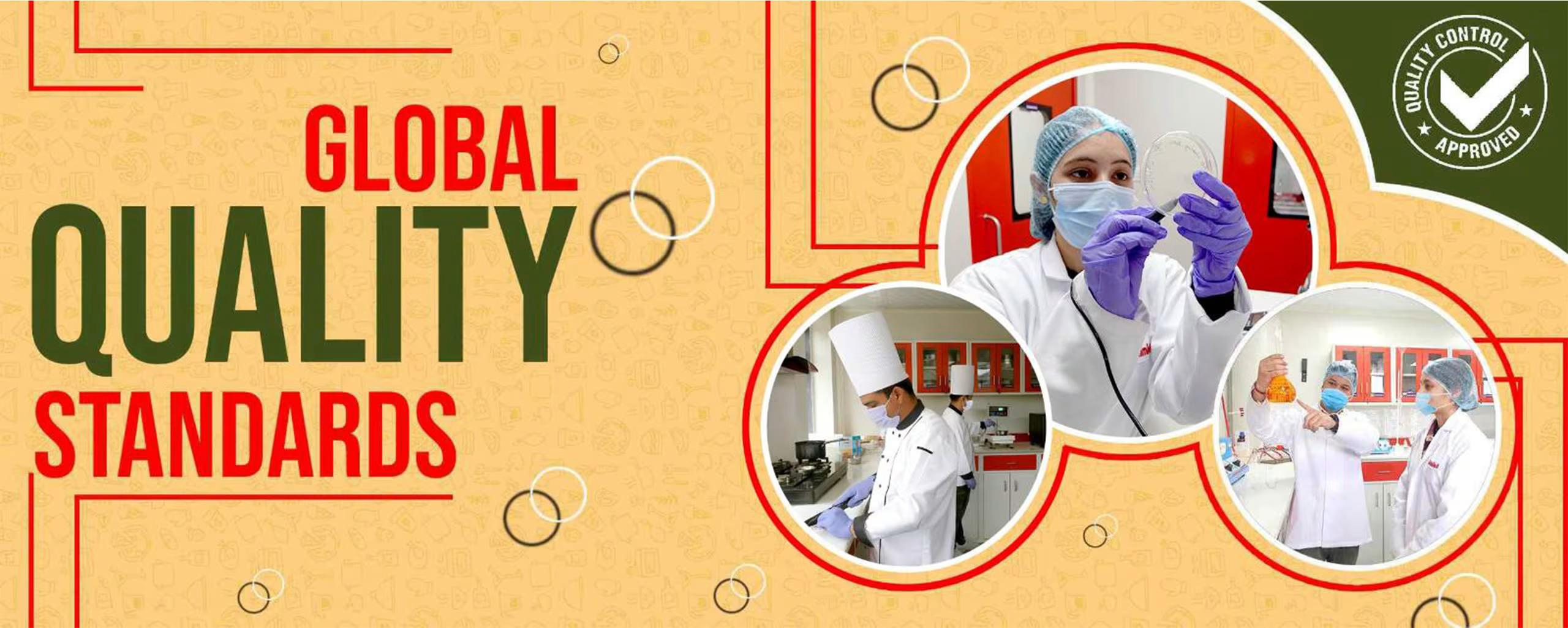
When choosing ready-to-eat Indian meals, certifications play a big role in building trust. They act as independent proof that RTE food, retort meals, and heat-and-eat meals are produced under strict safety and quality standards. In a market where convenience matters, certifications reassure consumers that the food they’re buying is reliable, hygienic, and compliant.
FSSAI (Food Safety and Standards Authority of India)
FSSAI certification is the backbone of food safety in India. Every manufacturer of ready-to-eat food must comply with FSSAI regulations to legally operate. For products like ready-to-eat curries, ready to eat rice, and instant meals, this certification confirms that proper hygiene, approved ingredients, and safe processing methods are followed.
FSSAI compliance focuses on:
-
Clean and controlled food handling
-
Safe ingredients and accurate labeling
-
Shelf-life testing and storage conditions
-
Traceability and consumer protection
For everyday consumers, FSSAI certification means peace of mind. It ensures that ready meals meet national safety standards and are suitable for regular consumption.
HALAL Certification
HALAL certification ensures that food products are prepared according to Islamic dietary guidelines. In the ready-to-eat Indian meals category, this certification is especially important for exports and multicultural markets. HALAL-certified retort Indian meals follow strict rules around ingredient sourcing, processing, and cleanliness.
Beyond religious requirements, HALAL certification reflects disciplined production practices and high hygiene levels. That’s why many global buyers and retailers see it as a mark of quality, not just compliance.
APEDA (Agricultural and Processed Food Products Export Development Authority)
For brands involved in international trade, APEDA certification is essential. It confirms that ready-to-eat meals, ready-to-eat curry, and pre-made meals meet export-level quality and safety standards. APEDA-registered manufacturers are better equipped to supply global markets.
APEDA certification supports:
-
Export-ready processing and packaging
-
International labeling and documentation
-
Quality, consistency, and traceability
If you’re looking to buy meals ready to eat for overseas distribution, APEDA registration is a strong indicator of reliability and compliance.
BRC (British Retail Consortium) Food Safety Certification
BRC certification is widely respected across the global retail and foodservice industries. For RTE food manufacturers, it demonstrates advanced food safety systems and strict quality control. Many international retailers require BRC certification before onboarding suppliers.
BRC-certified facilities are regularly audited for:
-
Risk management and contamination control
-
Process consistency and product integrity
-
Hygiene standards and staff training
-
Continuous improvement practices
Challenges and the Future of Ready-to-Eat Indian Meals
The ready-to-eat Indian meals industry is growing rapidly, but it faces some unique challenges as it aims to become a mainstream solution for modern households. Addressing these challenges requires a combination of technology, consumer education, and industry collaboration.
Scaling Production While Maintaining Authenticity
Producing high-quality RTE food at scale is a delicate balancing act. Popular dishes like mutter paneer ready to eat, paneer butter masala ready to eat, and dal makhani ready to eat require precise cooking, authentic spices, and careful retort packaging to maintain taste and texture.
Key challenges in scaling include:
-
Consistency: Maintaining the same flavor, texture, and aroma across large batches
-
Shelf-life management: Ensuring ready-to-eat curries and ready-to-eat rice stay fresh without preservatives
-
Packaging efficiency: Using retort pouches and other heat-and-eat meal packaging that preserves quality
Investing in advanced retort technology, automated cooking lines, and temperature-controlled packaging is critical for manufacturers to meet growing demand while preserving the authenticity of Indian flavors.
Educating Consumers and Building Trust
Despite the convenience of pre-made meals, many consumers still hesitate due to misconceptions about taste, nutritional value, or preservatives in ready-to-eat meals. Educating buyers about the safety, quality, and authenticity of dishes like shahi paneer, ready to eat, dal tadka ready to eat, and chana masala is essential.
Consumer-focused strategies include:
-
Sharing nutritional information and cooking process details
-
Demonstrating authenticity through traditional recipes and ingredient sourcing
Conclusion: Ready-to-Eat Indian Meals – Convenience, Quality, and Trust
The ready-to-eat Indian meals industry is at a pivotal moment. With increasing consumer demand for healthy, authentic, and convenient heat-and-eat meals, manufacturers have both exciting opportunities and significant responsibilities.
Choosing certified ready-to-eat meals goes beyond convenience—it reflects a commitment to food safety, authenticity, and quality. Dishes like mutter paneer, ready to eat, paneer butter masala, ready to eat, dal makhani, ready to eat, and shahi paneer, ready to eat, show how traditional Indian flavors can be preserved using modern retort technology and pre-made meal formats.
Your choices as a consumer or business have a meaningful impact. Opting for high-quality ready-to-eat curries, dals, and rice meals supports brands that prioritize authenticity, hygiene, and consistency. Every purchase helps the industry grow responsibly, encourages innovation, and ensures trustworthy heat-and-eat meals reach homes and foodservice outlets.
Challenges remain—scaling production, preserving taste, educating consumers, and maintaining accessibility—but the market is evolving. Rising demand for healthy ready-to-eat food, best meals ready to eat, and instant Indian meals reflects a shift toward quality, convenience, and safety.
By selecting RTE Indian meals thoughtfully, consumers and businesses help shape a reliable, trustworthy, and convenient food ecosystem. Every meal bought is a vote for convenience without compromise, authenticity without shortcuts, and a food industry that values both taste and trust.
Key Takeaways
-
The ready-to-eat Indian meals industry is growing fast, driven by demand for healthy, convenient, and authentic heat-and-eat meals.
-
Certifications like FSSAI, HALAL, APEDA, and BRC ensure safety, quality, and compliance for RTE food products.
-
Dishes such as mutter paneer, shahi paneer, paneer butter masala, dal makhani, and ready-to-eat rice preserve traditional flavors while offering convenience.
-
Investing in pre-made meals from trusted brands helps scale the industry responsibly and encourages innovation.
-
Every purchase matters—consumers and businesses alike contribute to quality, hygiene, and reliability in the RTE food ecosystem.


Comments
Post a Comment