Why Ready-to-Eat and Ready-to-Cook Foods Are Changing How the World Eats in 2026
Let’s be real—life in 2026 is busy. Between work, family, and trying to have a social life, who has hours to spend in the kitchen anymore? That’s exactly why Ready-to-Eat (RTE) and Ready-to-Cook (RTC) foods have stopped being a “nice-to-have” and become a genuine everyday essential.
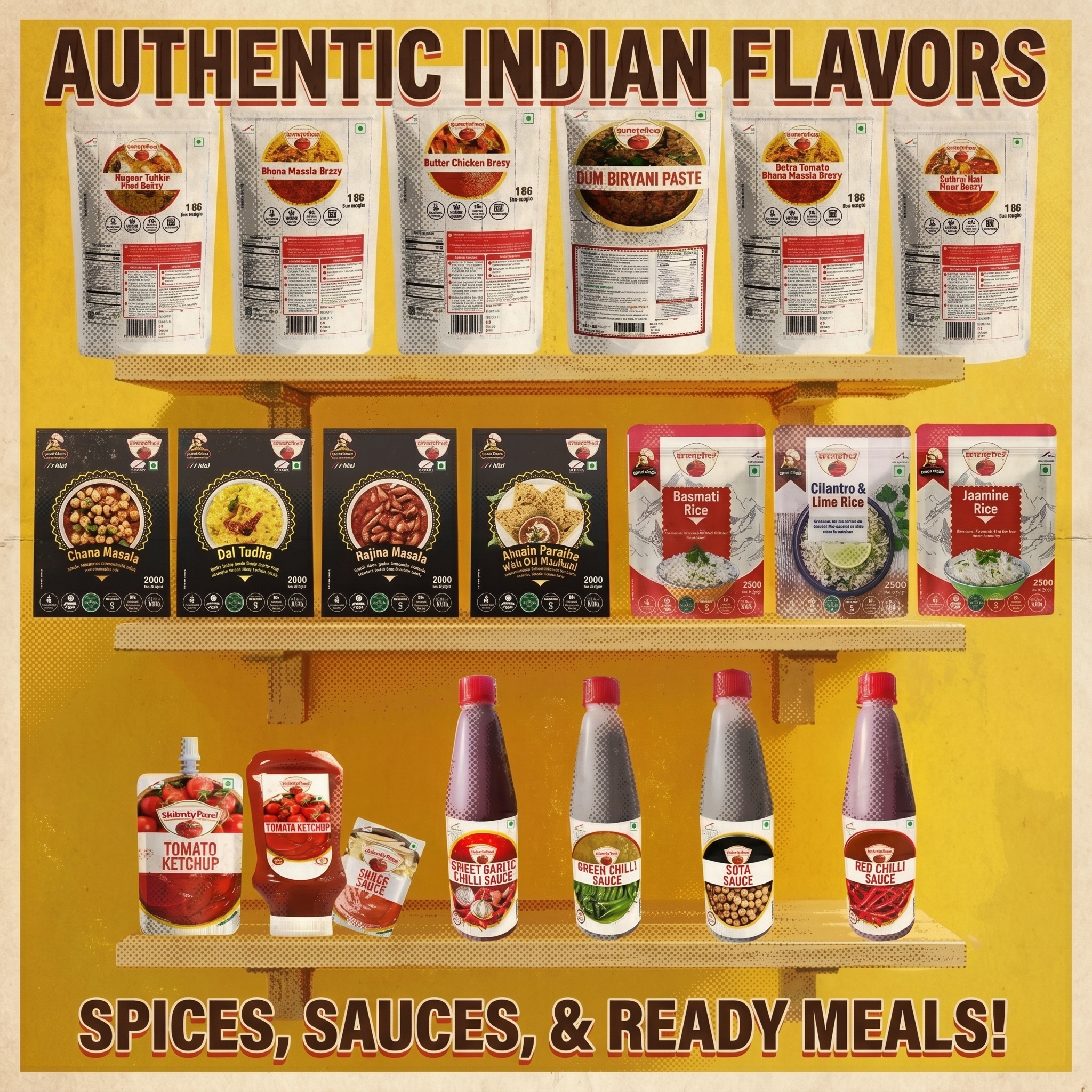
But here’s the thing: people aren’t just grabbing any packaged meal off the shelf anymore. They want food that’s quick and tasty, safe and authentic, convenient and good value. Whether it’s a pouch of creamy tomato gravy, a ready-to-heat curry, or a half-prepped meal kit, consumers are demanding more.
And it’s not just households. Retailers, restaurant owners, distributors, and food service pros are all paying attention. Convenience food has officially gone mainstream—and it’s here to stay.
Why Everyone’s Reaching for Ready-to-Eat Meals
Let’s face it: nobody wants to chop onions at 8 PM after a 10-hour workday. That’s the real reason ready-to-eat meals have exploded in popularity. People want something warm, satisfying, and fast—without feeling like they’re settling for boring or unhealthy options.
Today’s RTE meals actually deliver:
-
Real-time savings (we’re talking 2–3 minutes to a full meal)
-
Flavors that actually taste like homemade or restaurant-quality
-
Longer shelf life, so you can stock up without worry
-
Easy to store, carry to work, or take on a trip
The Rise of Ready-to-Cook: Best of Both Worlds
Not everyone wants a fully cooked meal from a pouch. Some people still enjoy the ritual of cooking—they just don’t want the prep work. Enter ready-to-cook products.
Think pre-mixed spice blends, jarred gravies, or marinated proteins. You still feel like you made something, but you’ve cut out 80% of the effort.
Why people love them:
-
Perfect for busy families who still want home-cooked meals
-
You get that “restaurant-style” taste without the chaos
-
Meal prep becomes actually doable
-
Consistent results every single time
Quality Ingredients Still Rule the Game
Here’s something that hasn’t changed: no amount of convenience makes up for bad ingredients. Whether it’s a tomato puree, a kitchen base, ketchup, dips, or a rich gravy, the final dish is only as good as what goes into it.
That’s why smart buyers—whether they’re running a restaurant or just cooking at home—pay close attention to ingredient quality.

Good ingredients give you:
-
Consistent flavor, batch after batch
-
Better texture and performance in cooking
-
Fewer surprises and customer complaints
-
Trust in the brand you’re buying from
How Food Manufacturing Has Changed in 2026
Walk through a modern food plant today, and it looks nothing like it did ten years ago. Automation, data tracking, and sustainability are now standard.
Here’s what’s actually happening on the manufacturing side:
Food Safety Isn’t Optional Anymore
Packaging That Doesn’t Hate the Planet
Brands are moving toward materials that keep food fresh and reduce waste. It’s about doing right by the product and the environment.
Non-Stop Innovation
New flavors, new formats (like microwaveable bowls or two-step meal kits), and smarter portion sizes are popping up all the time.
Global Reach Is Real
Indian food exporters are now sending authentic curries, gravies, and sauces to supermarkets and restaurants around the world—thanks to smarter logistics and better shelf-stable tech.
Indian Food Is Having a Global Moment
And honestly? It’s about time. People everywhere are falling for Indian cuisine—the layers of spice, the depth of flavor, the variety from region to region.
International buyers are actively looking for:
-
Ready-to-eat Indian meals they can stock or resell
-
Ready-to-cook curry bases that save restaurant kitchens hours
-
High-quality sauces and gravies
-
Tomato-based ingredients (purees, pastes, etc.)
-
Rice meal kits and food-service-friendly solutions
What Businesses Actually Want in a Food Supplier
If you run a restaurant, retail chain, or distribution business, you already know—your supplier can make or break you.
Here’s what smart buyers look for:
-
Consistent quality, shipment after shipment
-
Full food safety compliance (no cutting corners)
-
Ability to handle bulk orders without delays
-
Export-ready packaging that survives shipping
-
A partner who actually innovates sits on old products
ShimlaRed’s Take: Quality You Can Taste, Convenience You Can Trust
At ShimlaRed, we don’t chase trends just for the sake of it. We focus on what actually matters: making genuinely good food that happens to be convenient.
That means:
-
Starting with premium ingredients (because shortcuts taste like shortcuts)
-
Following strict food safety and quality assurance protocols
-
Using smart manufacturing that keeps flavor and texture intact
-
Packaging that’s practical, reliable, and thoughtful
-
Export capabilities that reach global kitchens without hassle
-
Real customer-focused solutions, not just empty promises
Final Thoughts: Convenience Is Just the Beginning
Here’s what 2026 has made clear: the future of food isn’t just about speed. It’s about convenience without compromise. People want meals that save time and taste great. They want ingredients they can trust. And they want brands that care about quality, safety, and authenticity.
As ready-to-eat and ready-to-cook products continue to reshape how the world eats, having the right partner matters more than ever.
Whether you need premium meals, tomato puree, ketchup, gravies, sauces, or export-ready food solutions, ShimlaRed is here to help—bringing taste, trust, and convenience to kitchens everywhere.


Comments
Post a Comment