Ketchup Manufacturing Process Explained: Step-by-Step Guide
Introduction
Tomato ketchup is one of the most popular condiments enjoyed around the world. From crispy fries and burgers to sandwiches, wraps, pizzas, and snacks, it boosts the flavor of many dishes with its perfect mix of sweetness, tanginess, and rich tomato taste. As demand continues to grow, food manufacturers are focused on producing high-quality ketchup using carefully selected ingredients, improved processing methods, and strict quality standards. Whether for homes, restaurants, cafés, hotels, or supermarkets, top-notch ketchup remains a key pantry item. Today's consumers are more aware of the food they eat.
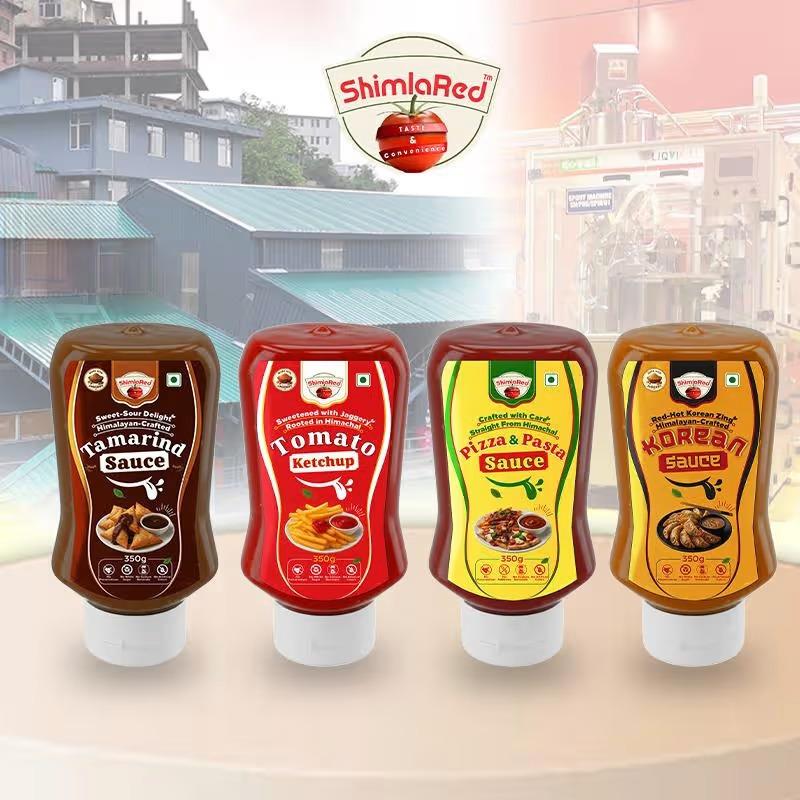
They are looking for healthy ketchup, natural ketchup, preservative-free tomato ketchup, and products made with clean-label ingredients. This shift has pushed manufacturers to innovate beyond traditional recipes by cutting down on refined sugar, using natural sweeteners like jaggery, and improving nutritional value without sacrificing taste. Understanding the ketchup manufacturing process helps both businesses and consumers appreciate the quality, consistency, and safety behind every bottle.
Whether you're a food entrepreneur, buyer for the hospitality industry, supermarket chain, distributor, or just curious about how ketchup is made, knowing each step of the process offers valuable insights into modern food production. In this guide, we explain the complete ketchup manufacturing process, from selecting ripe tomatoes to packaging the final product. We also look at different types of ketchup, manufacturing challenges, and the latest innovations that help companies deliver safe, tasty, and consistent products to customers worldwide.
Understanding the Concept Behind Making Ketchup
The key to excellent ketchup lies in the quality of raw materials and the precision of the manufacturing process. Fresh, ripe tomatoes are carefully chosen for their ideal balance of natural sweetness, acidity, color, and flavor. These tomatoes are processed with ingredients like vinegar, salt, spices, and natural sweeteners to create a smooth and rich condiment. Every stage of production—from washing and pulping to cooking and packaging—is closely monitored to ensure consistency, food safety, and product quality. Modern food processing has made ketchup manufacturing a highly efficient and clean operation.
Advanced machinery, automated quality control systems, and established food safety standards ensure that every batch delivers consistent taste, texture, and stability. Today, manufacturers also meet changing consumer preferences by producing organic tomato ketchup, low-sugar ketchup, chemical-free ketchup, and preservative-free options. These innovations allow food brands to satisfy the growing demand from supermarkets, restaurants, cafés, quick-service restaurants (QSRs), and international export markets, all while maintaining high quality and genuine tomato flavor.
Popular Types of Ketchup
The ketchup market has expanded beyond the typical tomato-based condiment. Nowadays, consumers and food service businesses seek sauces that match various cuisines, recipes, and dining experiences. Whether it's classic tomato ketchup for everyday meals or specialty sauces inspired by global flavors, manufacturers now provide a wide range of products for supermarkets, restaurants, cafés, hotels, cloud kitchens, and the hospitality sector. Here are some of the most popular varieties of ketchup and sauces that cater to diverse consumer tastes.
1. Tomato Ketchup
Tomato ketchup remains the most widely consumed condiment worldwide due to its rich tomato flavor, smooth texture, and balanced sweet-and-tangy taste. It goes well with French fries, burgers, sandwiches, pizzas, wraps, nuggets, grilled snacks, and many other quick-service options. Premium-quality ketchup is made using carefully selected tomatoes, natural seasonings, vinegar, and high-quality ingredients to ensure consistent flavor and color.

With the rising demand for healthier food choices, many manufacturers now offer preservative-free tomato ketchup, low-sugar ketchup, and natural ketchup made with clean-label ingredients. These products attract health-conscious consumers while keeping the authentic taste expected from premium tomato ketchup. They work well for both retail packaging and bulk supply to restaurants and food service businesses.
2. Tamarind Sauce
Tamarind sauce is a flavorful condiment known for its unique sweet and tangy taste. Made from quality tamarind pulp mixed with spices and natural sweeteners, it adds rich flavor to Indian snacks, chaats, appetizers, grilled foods, and fusion dishes. Its balance of sweetness and acidity makes it a versatile addition across various cuisines.
Food manufacturers also provide low-sugar tamarind sauce and jaggery-based tamarind sauce to address the growing demand for healthier options. Available in retail bottles and bulk packaging, tamarind sauce is widely distributed to supermarkets, restaurants, cafés, catering companies, and the hospitality industry.
3. Korean Sauce
The popularity of Korean cuisine has significantly boosted the demand for Korean sauces in global markets. Korean sauce combines sweet, savory, spicy, and umami flavors, making it great for Korean BBQ, fried chicken, noodles, rice bowls, burgers, wraps, and fusion dishes. It enhances meals with bold flavors while offering an authentic Korean taste. Many manufacturers now create premium Korean sauces using high-quality ingredients and balanced seasoning. Jaggery-based Korean sauce and clean-label formulations are becoming more popular among consumers looking for healthier choices. Bulk packaging makes these sauces suitable for restaurants, hotels, cloud kitchens, and food manufacturers.
4. Pizza & Pasta Sauce
Pizza & Pasta Sauce is specially made to deliver authentic Italian-inspired flavor to pizzas, pasta, lasagna, garlic bread, sandwiches, and baked dishes. Made from ripe tomatoes, aromatic herbs, garlic, onions, and carefully chosen spices, it provides a rich texture and vibrant taste that pairs well with various recipes. Food service businesses rely on premium pizza and pasta sauces for consistent quality, great spreadability, and superior flavor. Available in both consumer packs and bulk packaging, these sauces are commonly used by restaurants, cafés, pizzerias, hotels, and commercial food manufacturers seeking dependable, high-quality cooking ingredients.
Ketchup Manufacturing Process
Producing premium-quality ketchup needs advanced food processing technology, clean manufacturing practices, and strict quality control at every stage. The process ensures that each bottle provides the desired taste, texture, color, consistency, and shelf life while meeting food safety standards.
Step 1: Selection of Tomatoes
The manufacturing process starts with carefully selecting fresh, fully ripe, high-quality tomatoes. Tomatoes with vibrant color, natural sweetness, balanced acidity, and high pulp content are preferred since they directly affect the flavor, texture, and overall quality of the finished ketchup.
Step 2: Washing and Sorting
The selected tomatoes are thoroughly washed using clean water to remove dirt, dust, pesticides, and other impurities. They are then sorted to eliminate damaged, underripe, or spoiled tomatoes, ensuring that only premium-quality raw materials move on to production.
Step 3: Crushing and Pulping
The cleaned tomatoes are mechanically crushed into smaller pieces before going through pulping equipment. During this process, seeds, skins, and unwanted fibers are separated, resulting in smooth tomato pulp that forms the base of the ketchup.
Step 4: Preheating and Cooking
The tomato pulp is gently heated to soften its structure and deactivate natural enzymes that could affect color and flavor. Controlled heating also enhances product stability and prepares the pulp for further processing.
Step 5: Concentration (Evaporation)
The heated tomato pulp experiences evaporation to remove extra water. This process concentrates the tomato solids, creating the thick consistency and rich flavor expected in premium ketchup while retaining its natural color.
Step 6: Addition of Ingredients
After reaching the desired consistency, carefully measured ingredients like vinegar, salt, spices, natural seasonings, and sweeteners are added. Depending on the product formulation, manufacturers may also include jaggery or other clean-label ingredients to make healthier ketchup alternatives.
Step 7: Cooking and Mixing
The mixture is continuously cooked and blended to guarantee even distribution of all ingredients. Proper mixing develops the signature taste, smooth texture, glossy appearance, and consistent quality associated with premium tomato ketchup.
Step 8: Sterilisation and Pasteurisation
The prepared ketchup goes through pasteurisation to kill harmful microorganisms and extend shelf life. This critical food safety step makes sure that the product stays safe, stable, and fresh during storage and distribution.
Step 9: Cooling
After pasteurisation, the ketchup is cooled under controlled conditions. Proper cooling preserves its flavour, texture, viscosity, and colour while preparing it for packaging.
Step 10: Filling and Packaging
The finished ketchup is automatically filled into hygienic bottles, pouches, jars, or bulk containers using advanced filling machines. Each package is securely sealed to prevent contamination and maintain product freshness.
Step 11: Quality Control
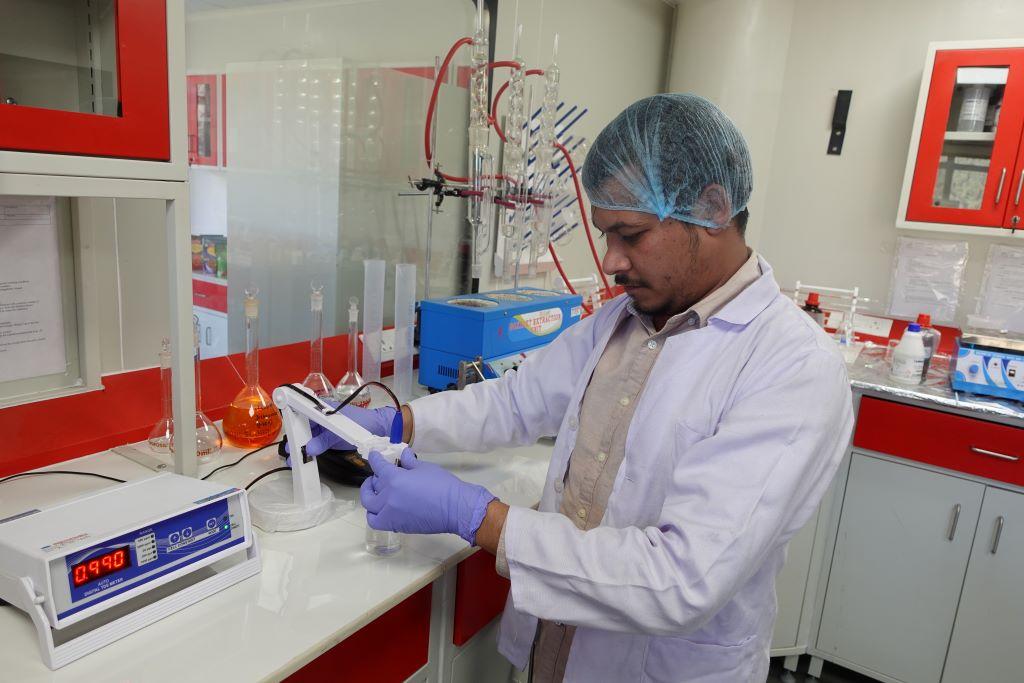
Before distribution, every batch undergoes comprehensive quality inspections. Manufacturers evaluate parameters such as taste, colour, texture, viscosity, pH, packaging integrity, and microbiological safety to ensure compliance with food quality standards.
Tomato Ketchup Process Flow Chart
Selection of Fresh Tomatoes
            ↓
Washing & Sorting
            ↓
Crushing
            ↓
Pulping
            ↓
Preheating & Cooking
            ↓
Concentration (Evaporation)
            ↓
Addition of Ingredients
(Vinegar • Salt • Spices • Jaggery/Sweetener)
            ↓
Cooking & Mixing
            ↓
Pasteurisation
            ↓
Cooling
            ↓
Filling & Sealing
            ↓
Packaging
            ↓
Quality Control
            ↓
Distribution to Retail, HoReCa & Export Markets
Advantages of Modern Tomato Ketchup Processing
Modern food processing technology has changed the way ketchup is made. It allows companies to produce high-quality products that meet international food safety standards while keeping consistency across every batch. New manufacturing systems not only improve production efficiency but also help maintain the natural taste, color, and nutrition of tomatoes. Whether supplying supermarkets, restaurants, cafés, hotels, or export markets, modern processing ensures that every bottle of ketchup provides premium quality.
1. Consistent Product Quality
Automated production systems ensure a uniform taste, texture, color, and thickness in every batch. This consistency is crucial for restaurants, food chains, and retail brands that expect the same flavor and quality in every bottle of ketchup.
2. Enhanced Food Safety
Modern manufacturing facilities follow strict hygiene protocols and accepted food safety standards, such as GMP, HACCP, and FSSAI guidelines. Advanced washing, pasteurization, and quality control processes help eliminate harmful microorganisms, ensuring that ketchup stays safe for consumption throughout its shelf life.
3. Better Shelf Stability
Controlled cooking temperatures, precise ingredient formulation, and hygienic packaging greatly extend the shelf life of ketchup without losing its taste or texture. Proper sealing techniques also protect the product from contamination during storage and transportation.
4. Increased Production Efficiency
High-tech machinery automates key manufacturing stages, including washing, pulping, cooking, filling, and packaging. Automation lowers manual handling, reduces production errors, boosts output capacity, and helps manufacturers efficiently meet large-volume orders for both domestic and international markets.
5. Supports Healthier Product Innovation
As consumers increasingly prefer clean-label foods, modern processing allows manufacturers to create innovative products like preservative-free tomato ketchup, low-sugar ketchup, natural ketchup, and jaggery-sweetened ketchup. These healthier options meet changing consumer tastes while keeping great flavor and product stability.
6. Reduced Food Waste
Advanced sorting equipment, efficient pulp extraction, and optimised production planning help maximise tomato utilisation while reducing processing waste. This improves overall manufacturing efficiency and supports more sustainable food production practices.
7. Flexible Packaging Solutions
Modern production facilities can package ketchup in multiple formats, including retail bottles, squeeze bottles, pouches, sachets, jars, and bulk containers. This flexibility allows manufacturers to serve supermarkets, wholesalers, HoReCa businesses, institutional buyers, and export customers with customised packaging options.
Challenges in Ketchup Manufacturing
Even though ketchup manufacturing has advanced significantly, producing high-quality products consistently presents various operational and technical challenges. Manufacturers must carefully manage raw materials, production factors, food safety, and consumer expectations to maintain product excellence.
1. Maintaining Consistent Tomato Quality
Tomatoes are agricultural products whose quality varies depending on climate, season, soil conditions, and harvesting practices. Variations in sweetness, acidity, colour, and moisture content can directly influence the flavour and consistency of the finished ketchup, making strict raw material selection essential.
2. Balancing Taste and Nutrition
Today's consumers expect healthier ketchup options without sacrificing taste. Developing formulations that reduce refined sugar, preservatives, or artificial additives while maintaining the familiar sweet-and-tangy flavour requires extensive research, product development, and continuous quality testing.
3. Food Safety Compliance
Manufacturers must follow rigorous food safety regulations throughout every stage of production. Proper sanitation, equipment maintenance, microbial testing, and quality inspections are necessary to prevent contamination and ensure compliance with national and international standards.
4. Rising Raw Material Costs
Fluctuating prices of tomatoes, natural sweeteners, spices, packaging materials, and transportation can significantly impact production costs. Manufacturers must optimise operations and sourcing strategies to remain competitive while maintaining premium product quality.
5. Shelf-Life Management
Achieving an extended shelf life without excessive preservatives requires precise control over cooking temperatures, acidity levels, pasteurisation, packaging, and storage conditions. Even small deviations in the process can affect product stability and quality.
6. Meeting Diverse Market Requirements
Different customer segments have unique preferences. Retail consumers may prefer family-sized bottles, while restaurants and hotels require bulk packaging. International buyers often request customised formulations, private labelling, and compliance with country-specific food regulations, increasing manufacturing complexity.
7. Sustainability Expectations
Consumers and businesses increasingly value environmentally responsible manufacturing. Companies are expected to minimise food waste, reduce water and energy consumption, and adopt recyclable packaging solutions while maintaining production efficiency and product quality.
Conclusion
The ketchup manufacturing process is a carefully managed mix of quality ingredients, modern technology, and strict food safety practices. From selecting fresh tomatoes to washing, pulping, cooking, pasteurizing, packaging, and quality testing, every stage plays a part in creating ketchup with consistent flavor, rich texture, and long-lasting freshness.
Modern manufacturing methods also enable producers to develop healthier options such as preservative-free, low-sugar, and natural ketchup to meet shifting consumer preferences. At ShimlaRed, we combine innovation with quality ingredients to make high-quality food products for supermarkets, distributors, restaurants, cafés, hotels, and the HoReCa sector.
Along with our premium Tomato Ketchup, we offer Tamarind Sauce, Korean Sauce, and Pizza & Pasta Sauce, available in both retail and bulk packaging. Our commitment to quality, hygiene, and customer satisfaction allows us to provide reliable food solutions for domestic and international markets. Whether you need a trusted ketchup manufacturer or a reliable bulk sauce supplier, ShimlaRed is dedicated to delivering products that meet high standards of taste, safety, and consistency.


Comments
Post a Comment