Inside a Modern Food Processing Plant: How Retort Technology Is Transforming RTE & RTC Food Manufacturing
The demand for convenient food is changing how modern food products are developed, processed, packaged, and distributed. Today’s consumers want meals that are easy to prepare, while food businesses need products that can maintain quality, safety, taste, and shelf stability. This is where a modern food processing plant becomes essential.
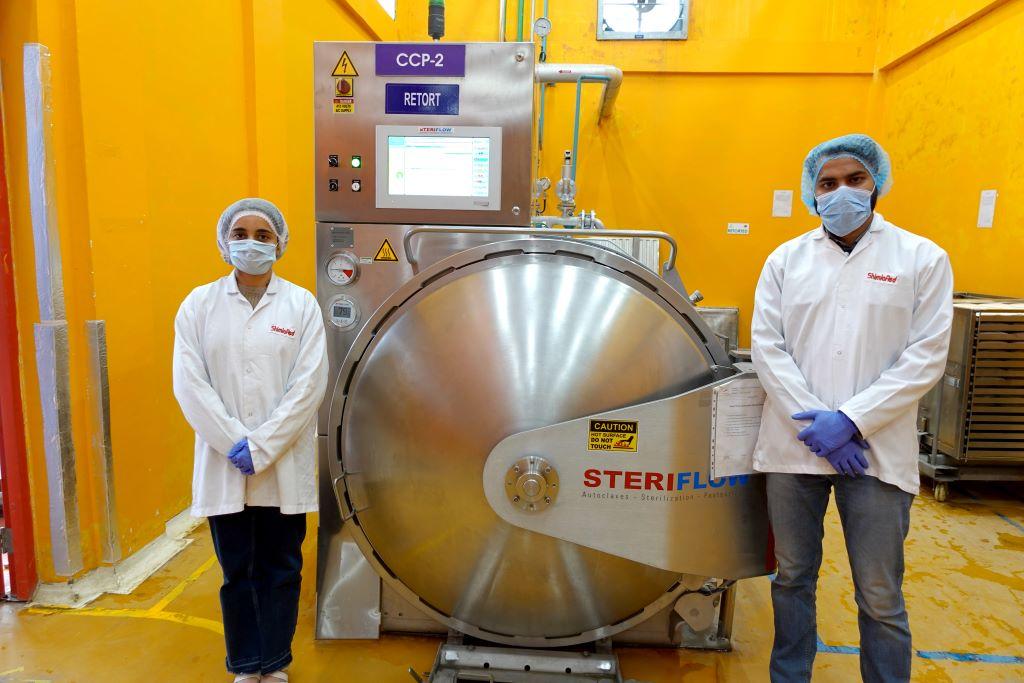
At ShimlaRed, food manufacturing combines modern processing infrastructure with retort technology to create premium Ready-to-Eat (RTE) and Ready-to-Cook (RTC) food solutions. The goal is not just to produce convenient meals but to ensure the authentic flavor, product integrity, hygiene, and consistency that come with professionally manufactured food products.
What Is a Food Processing Plant?
A food processing plant is a specialized facility where food ingredients are handled, processed, cooked, packaged, and prepared for distribution under controlled conditions. A modern food manufacturing facility includes production equipment, trained personnel, quality-control procedures, packaging systems, and food-safety practices to ensure consistency from one batch to the next. For RTE and RTC foods, the manufacturing process is especially significant because the final product must deliver convenience without sacrificing food quality. Every stage, from ingredient preparation and cooking to filling, sealing, thermal processing, and final inspection, contributes to the safety and quality of the finished product.
Why Retort Processing Is Important for RTE & RTC Foods
Retort processing is a thermal method used for food products sealed in appropriate packaging and then processed under controlled heat and pressure. Retort pouches are made for thermal processing and can provide shelf-stable packaging when processed correctly. For retort-processed RTE food, this technology offers an effective way to create convenient meals that can be stored without conventional refrigeration, provided the product and packaging meet the necessary standards. This makes retort technology especially valuable for food manufacturers catering to modern retail, foodservice, travel, institutional, and export markets. The process also helps in developing convenient meal formats while enabling manufacturers to maintain product consistency. At ShimlaRed, retort-based manufacturing creates RTE and RTC food solutions with a strong focus on flavor, hygiene, product integrity, and shelf stability.
How Retort Food Processing Works
The retort manufacturing process starts with carefully chosen ingredients and controlled preparation. Depending on the product, ingredients are cleaned, prepared, formulated, and cooked according to set requirements. Next, the prepared food is filled into suitable retort packaging and hermetically sealed. The sealed packs then undergo controlled thermal processing inside a retort system. This process achieves the required level of commercial sterilization while keeping the product’s desired characteristics. After processing, the packs are cooled, inspected, and handled following established quality procedures. Controlled processing combined with suitable packaging helps create a convenient shelf-stable food format. The specific processing conditions and shelf life depend on product formulation, packaging, process validation, and storage conditions rather than just retort processing.
Retort Technology for Ready-to-Eat Food Manufacturing
Making Ready-to-Eat food requires more than just cooking food and packaging it. The manufacturing system must integrate food formulation, thermal processing, packaging, hygiene, quality assurance, and process control. Retort technology enables the development of convenient meal solutions in sealed packs that can be distributed and stored under the right conditions. Retort-packed meals are designed for convenience, shelf stability, and ease of preparation, making them ideal for consumers seeking quick meal options without extensive cooking. For food manufacturers, this technology can also support broader distribution since shelf-stable products reduce reliance on refrigerated logistics for properly processed items. This can be especially useful for businesses targeting various regions and countries.
Ready-to-Eat and Ready-to-Cook Food Manufacturing at ShimlaRed
ShimlaRed specializes in Ready-to-Eat and Ready-to-Cook food solutions, combining modern manufacturing infrastructure with retort-based processing. The facility is designed for efficient production while emphasizing food safety, hygiene, flavor, and product consistency. The manufacturing approach is well-suited for creating convenient food solutions for evolving consumer lifestyles. Ready-to-Eat products are made for quick consumption or heating, while Ready-to-Cook solutions provide prepared food components that cut down preparation time for the consumer. This combination allows food businesses to offer convenient meal formats while maintaining the character and flavor of the underlying cuisine.
Advanced Infrastructure and Production Technology
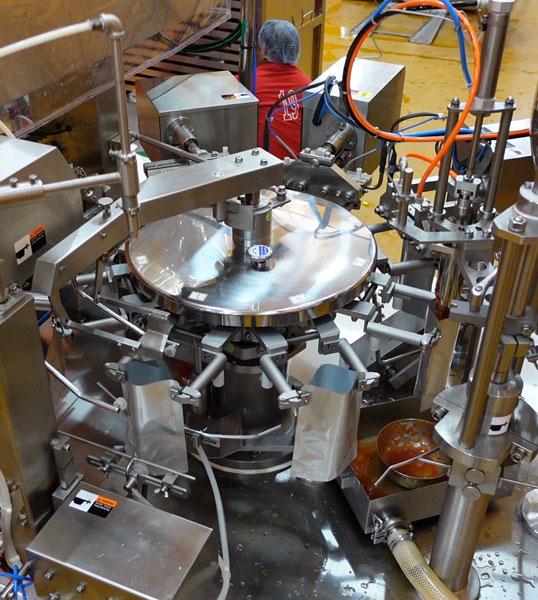
A modern food processing facility requires more than individual machines. Efficient manufacturing relies on an integrated production environment where equipment, personnel, processes, hygiene controls, packaging, and quality systems work together. ShimlaRed's manufacturing infrastructure includes automated production lines, ergonomic work areas, and retort technology to support controlled and efficient production. The facility focuses on precision and productivity while maintaining product integrity throughout the process. This infrastructure is crucial for producing food products at a commercial scale because consistency is vital to product quality. Each production batch must meet specific standards for formulation, processing, packaging, and finished-product quality.
Food Safety and Quality Control in a Food Manufacturing Plant
Food safety is critical in commercial food manufacturing. A professional food processing plant in India must enforce controlled processing and hygienic practices throughout production. At ShimlaRed, food processing emphasizes high standards of hygiene and quality. From handling ingredients and production to packaging and final inspection, controlled procedures help protect product integrity. Retort processing requires careful control since thermal processing must be designed and validated for the specific food product and packaging format. Therefore, proper process control is essential for producing safe and commercially stable retort foods.
Why Shelf-Stable Food Solutions Matter
Shelf-stable foods provide significant convenience because appropriately processed and packaged products can be stored at room temperature under specific conditions. This simplifies storage, transportation, and distribution compared to products needing continuous refrigeration. For consumers, shelf-stable RTE meals are a practical option when cooking time is limited. For businesses, these products can create opportunities in retail, foodservice, institutional supply, travel, and international markets. Retort pouches are often lighter and more space-efficient than traditional metal cans, and their flexible shape allows for effective heat penetration during processing.
Benefits of Retort-Processed RTE & RTC Food
A key benefit of retort-based food manufacturing is convenience. Consumers can easily access prepared food without lengthy cooking processes, making these products ideal for busy lifestyles. Another advantage is shelf stability. When products are correctly formulated, packaged, processed, and validated, retort technology supports long-lasting food formats that don’t require conventional refrigeration. Retort processing can also help preserve food's sensory characteristics when processing conditions are well-designed. The goal is to achieve safety while maintaining desirable flavor, texture, and product quality. For manufacturers, retort processing supports domestic and international distribution by creating convenient packaged food formats that suit various supply-chain needs.
Flexible Manufacturing for Different Market Requirements
Every food business has different requirements. A retail brand may need consumer-ready meal packs, while a foodservice business may require bulk formats or customised formulations. Exporters may have additional requirements related to packaging, product specifications, logistics, and market preferences.
A flexible food manufacturing facility can help address these different requirements by adapting production processes and product formats according to demand.
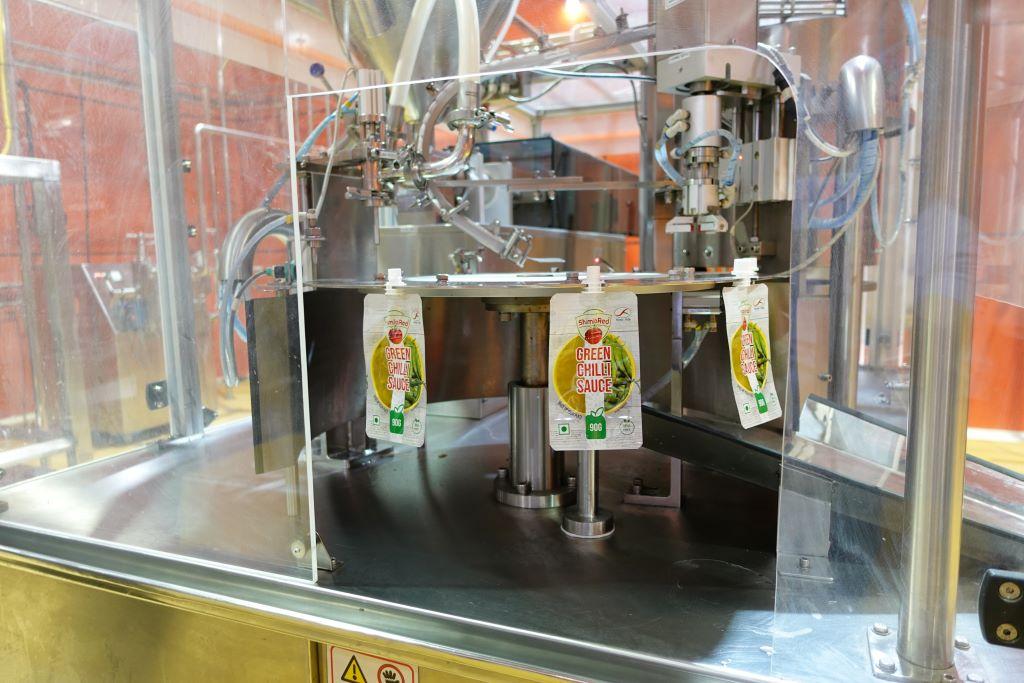
ShimlaRed focuses on customer-oriented manufacturing designed to support diverse market requirements while maintaining consistency in food quality and production standards.
The Future of Retort Food Manufacturing
The food industry is shifting towards solutions that focus on convenience, quality, safety, scalability, and efficient distribution. As consumers look for simpler meal options and businesses seek products that can reach broader markets, new food processing technologies are becoming more important. Retort processing offers a solution by combining controlled thermal processing with appropriate packaging to create convenient, shelf-stable food formats. For Ready-to-Eat and Ready-to-Cook manufacturers, this technology allows for the development of products that meet modern demands for convenience while emphasizing food quality and safety. With ongoing advancements in food processing, packaging, automation, and product development, modern manufacturing plants are playing a bigger role in delivering convenient food options from production facilities to consumers worldwide.
Conclusion
A modern food processing plant is vital for consistent, safe, and scalable packaged food production. For Ready-to-Eat and Ready-to-Cook products, retort technology enhances capability by supporting shelf-stable food formats while helping manufacturers preserve product quality. ShimlaRed combines retort-based processing, modern production infrastructure, quality-focused manufacturing, and scalable capacity to create Ready-to-Eat and Ready-to-Cook food solutions for today’s evolving food market. Whether the need is for convenient Indian meals, shelf-stable food products, bulk manufacturing, or export-oriented food solutions, choosing the right processing technology and manufacturing partner can make a big impact. As the demand for convenient, professionally made food continues to rise, retort technology is reshaping the relationship between flavor, convenience, food safety, and distribution in modern food manufacturing.


Comments
Post a Comment